
Fashioned by the land
My jewellery grows from a lifelong fascination with the natural world.
I trained first as an ecologist and later as a biologist and veterinary parasitologist. For much of my life I have worked with animals, farmed and studied the extraordinarily intricate structures and processes that are easily overlooked in nature.
That way of looking has never left me.
My workshop sits close to the Jurassic Coast, where the cliffs reveal millions of years of natural history. On our own land, another history occasionally emerges from beneath the soil. Detectorists have uncovered objects spanning centuries — including gold coins from the reign of Charles II — precious fragments connecting the land to the people who lived here before us.
I find something compelling in these objects and traces of the past.
Buried, weathered and altered, edges soften and surfaces erode. Perfect symmetry disappears. Yet what survives can become more intriguing because of the passage of time.
That idea increasingly finds its way into my jewellery.
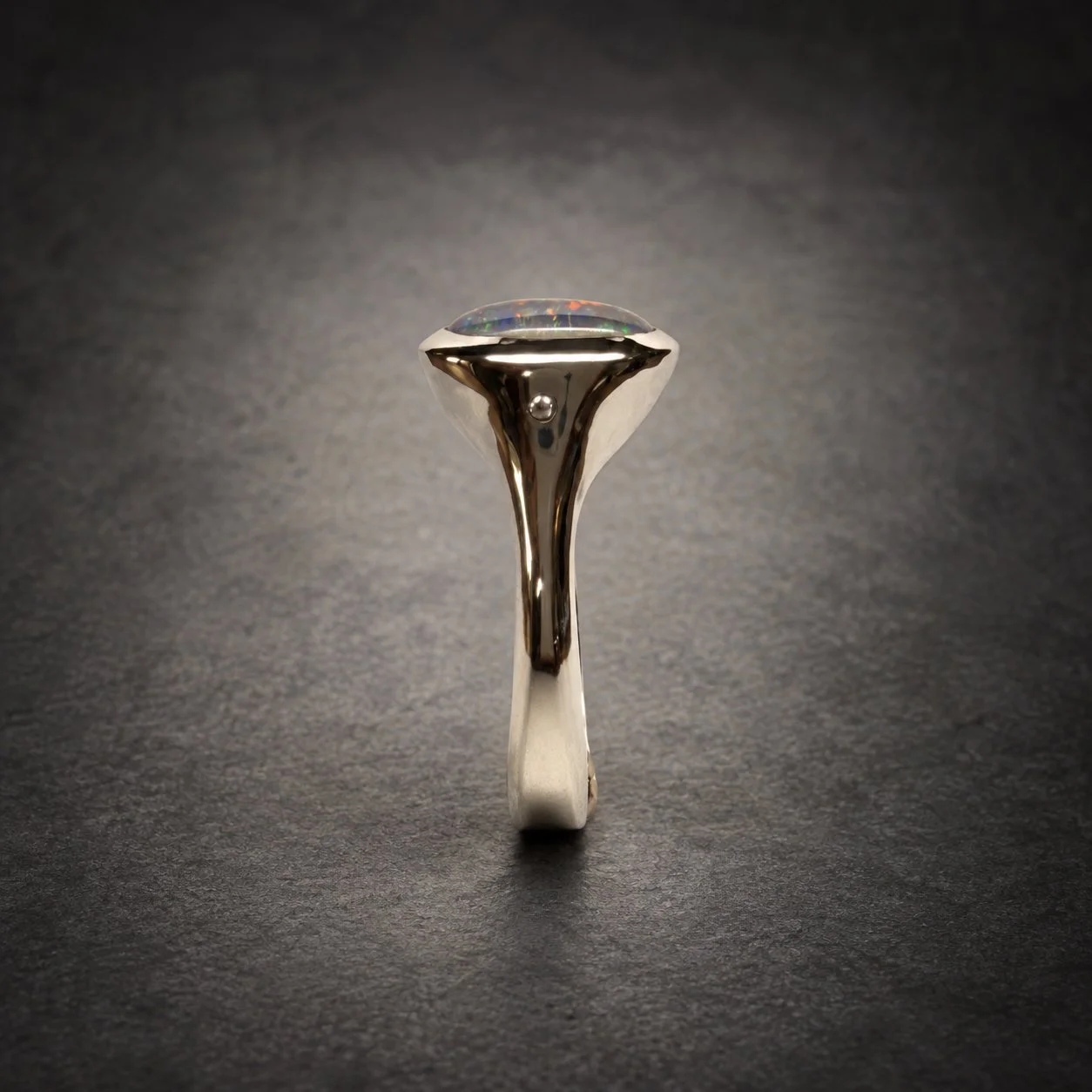
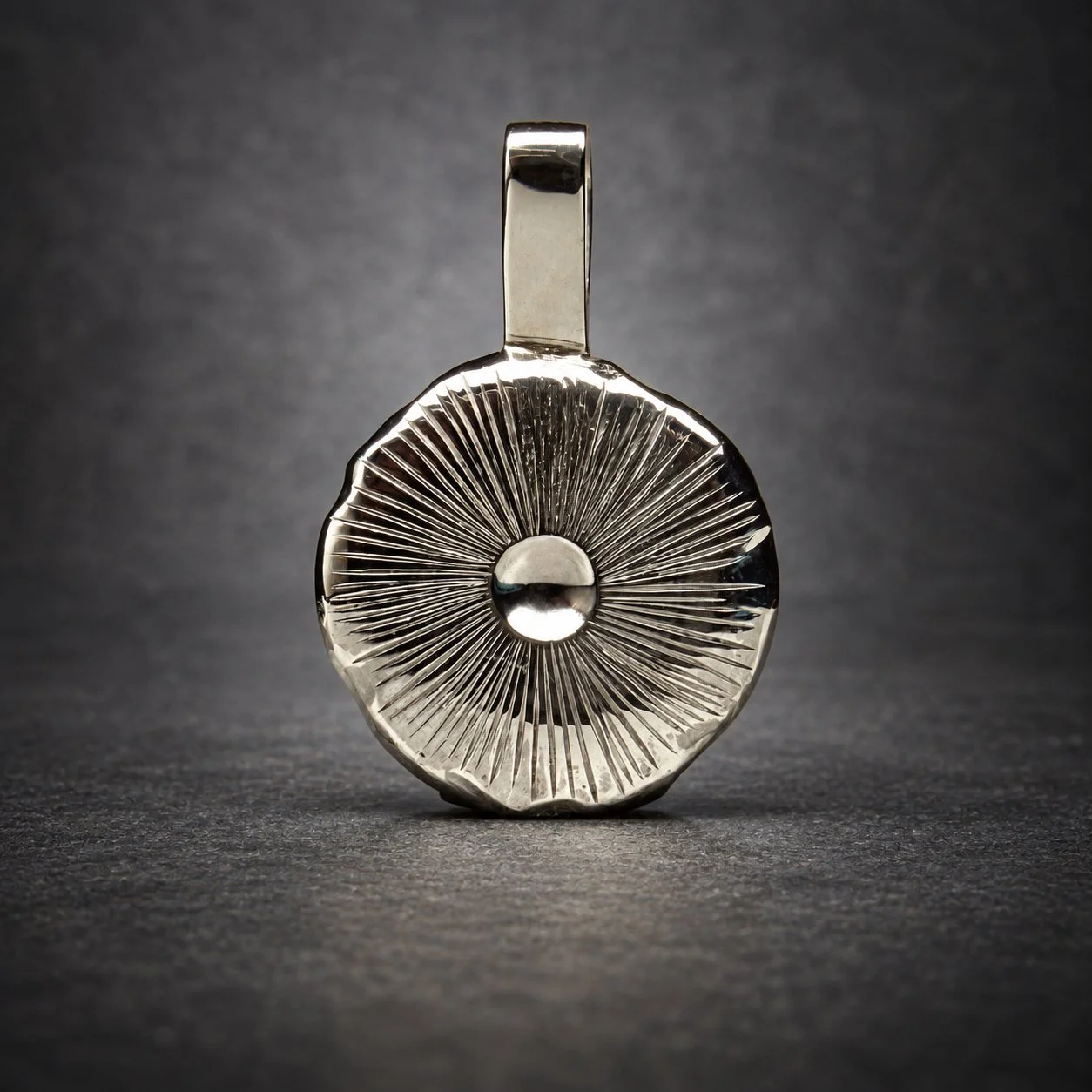
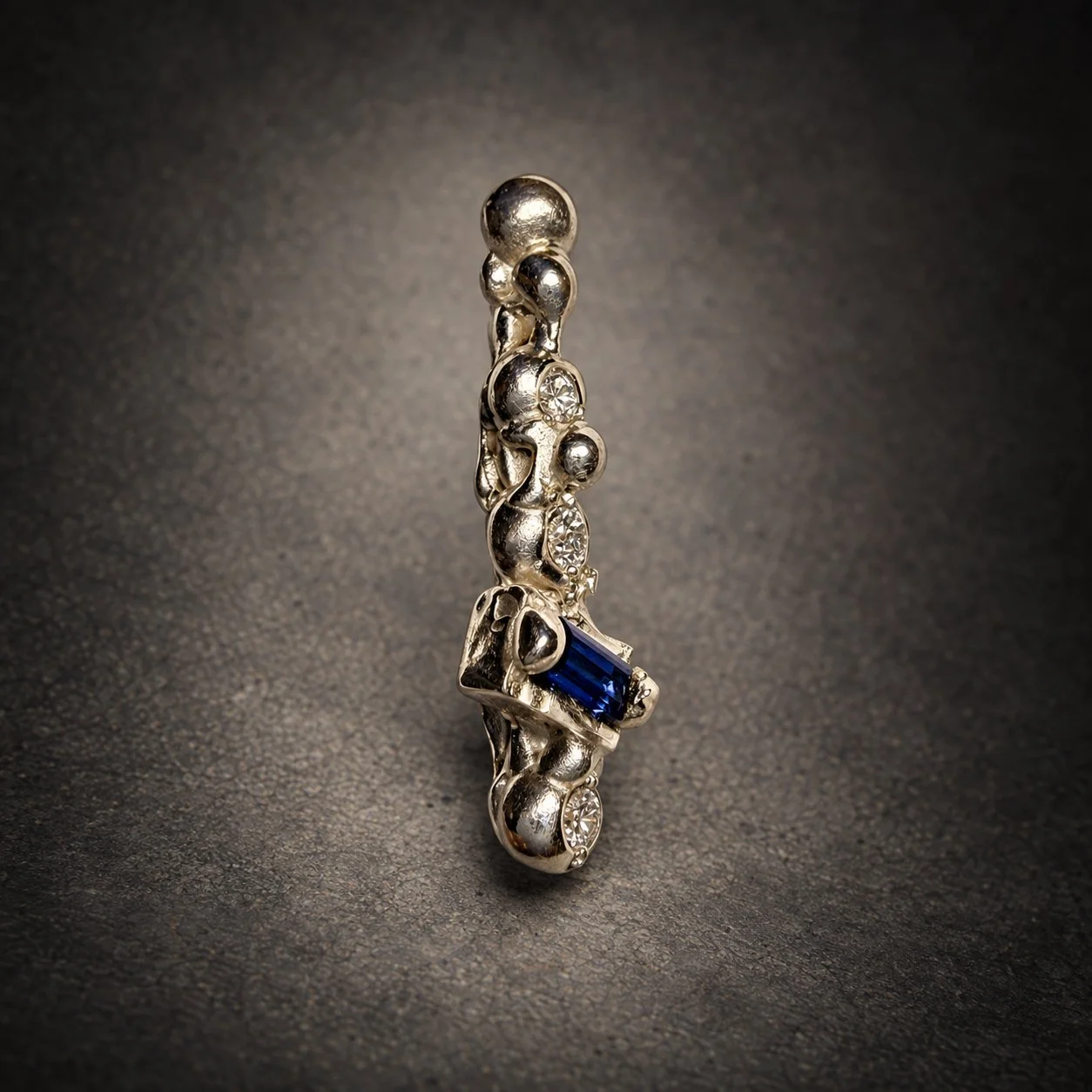
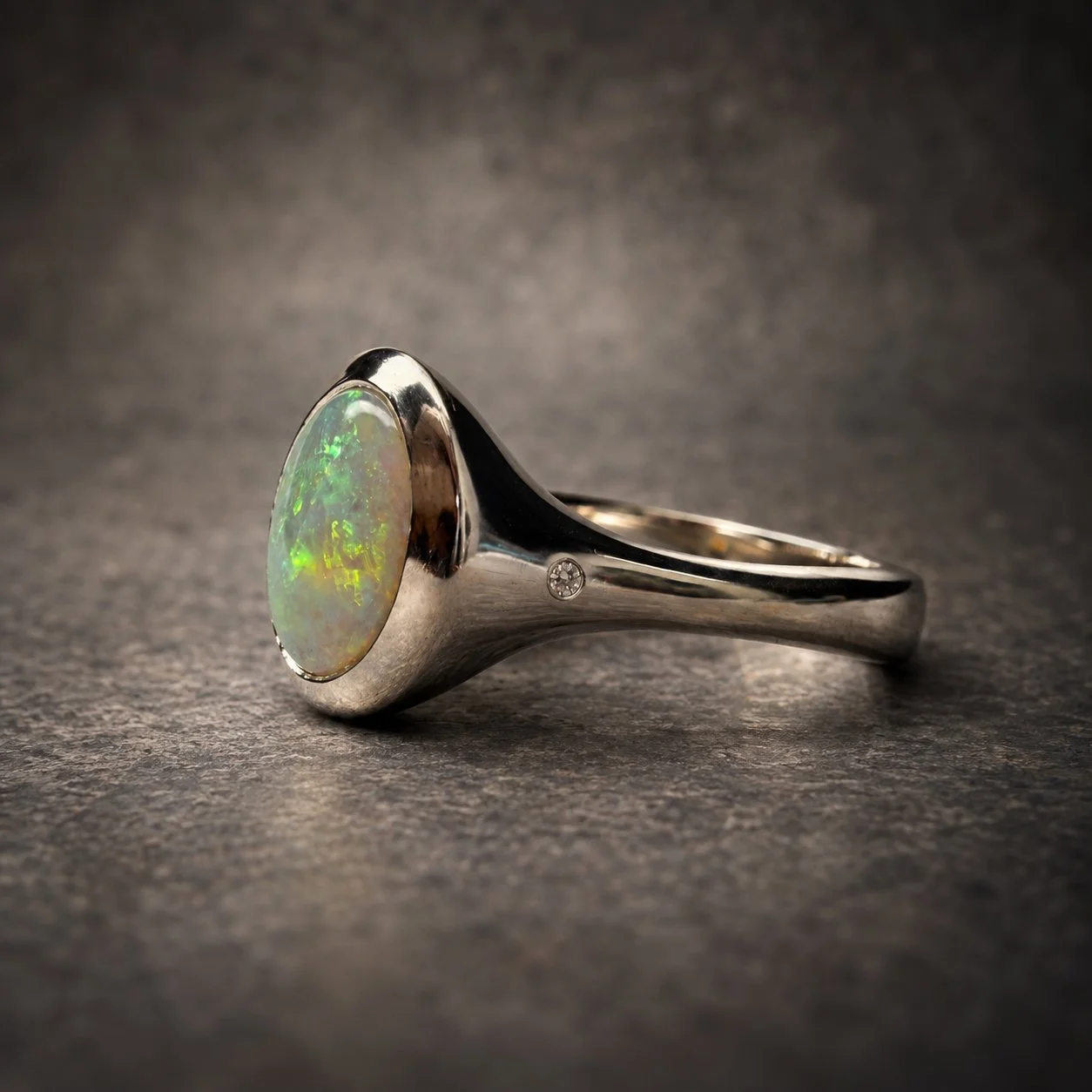
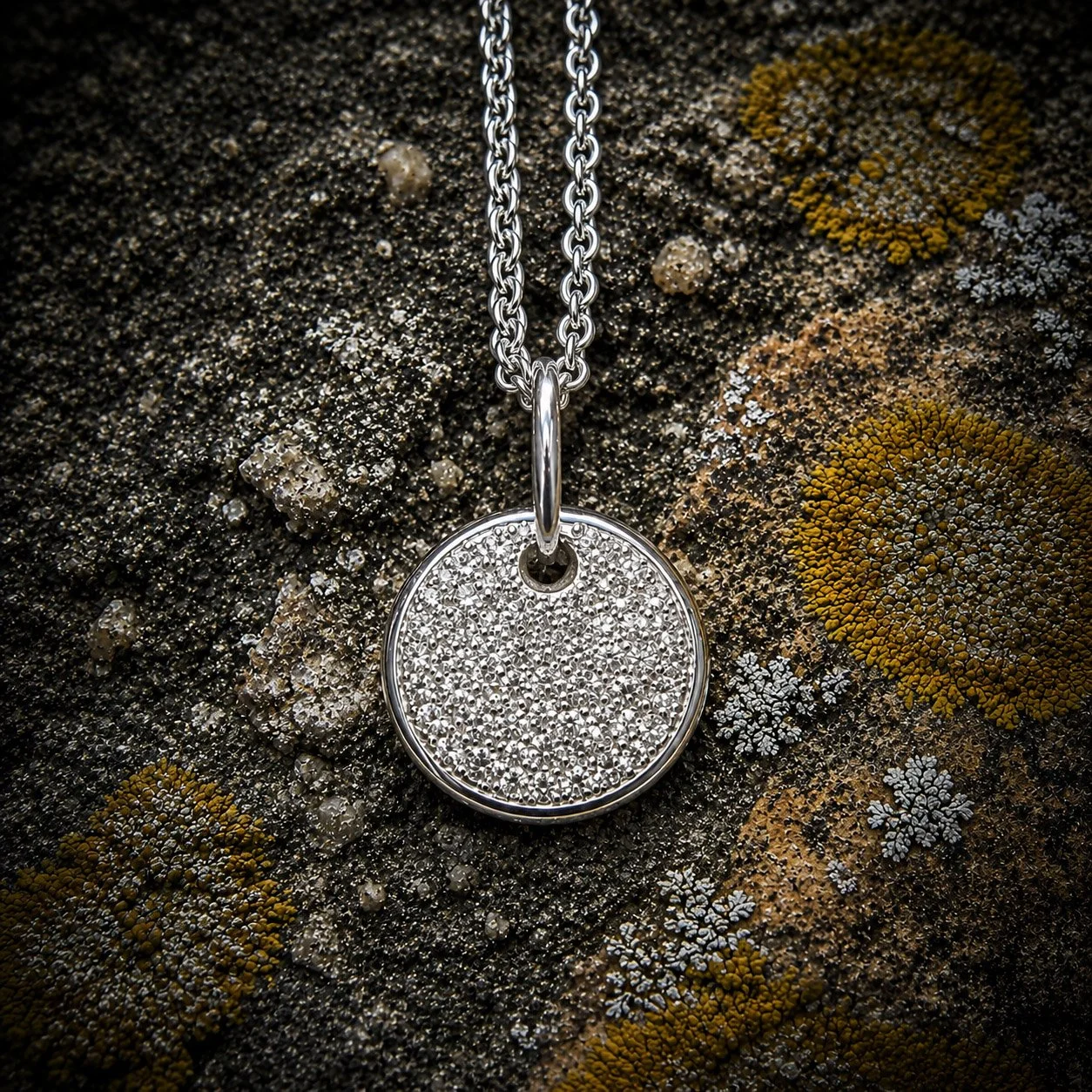
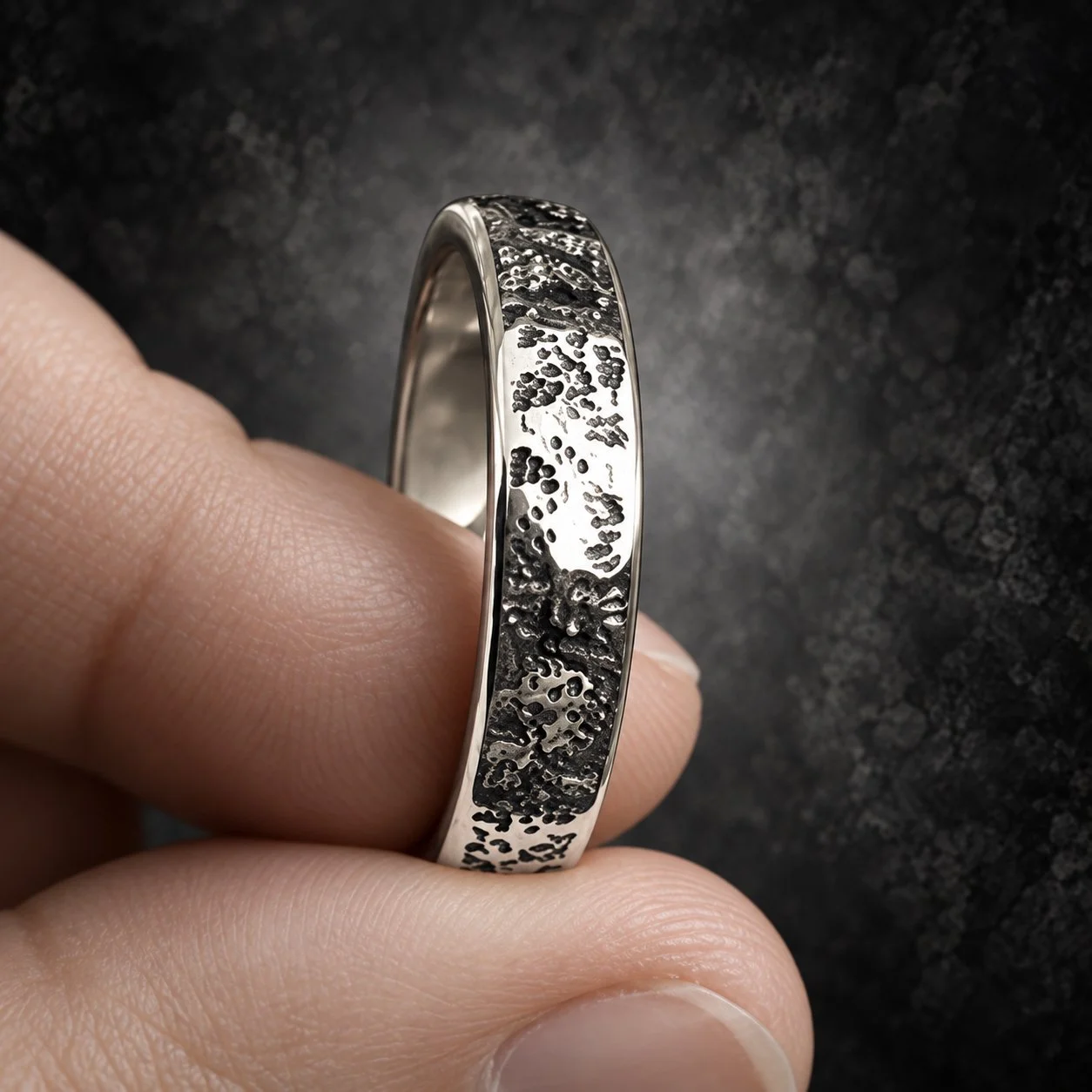
I create sculptural pieces in precious metals, diamonds and gemstones, exploring natural forms, irregular forms, texture and the beauty that can emerge through imperfection. Some pieces begin with something recognisable from the natural world, fungi, lichen or insects; others with landscape, geology, architecture or an object unearthed from the soil.
I don't try to reproduce these forms literally. I am interested in what remains when they are distilled into form, surface and line.
Perhaps that comes from a lifetime spent looking closely.
My jewellery is contemporary, but I want it to feel as though it has a history — something discovered rather than manufactured; something that might be treasured now, buried, found and treasured again long after us.
A litte something extraordinary
Understated luxury. Individually made. Ready to give.
Some things are worth discovering.
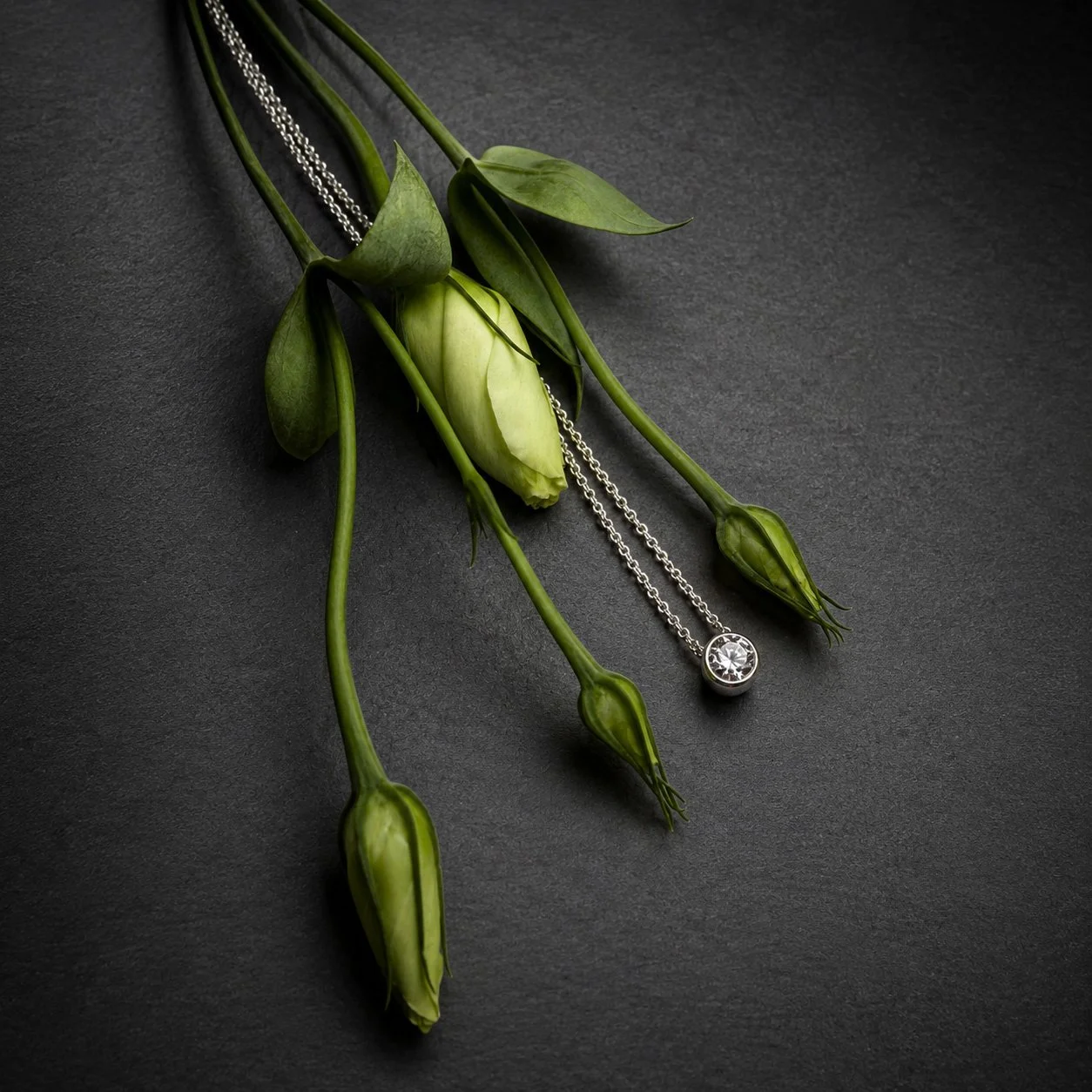
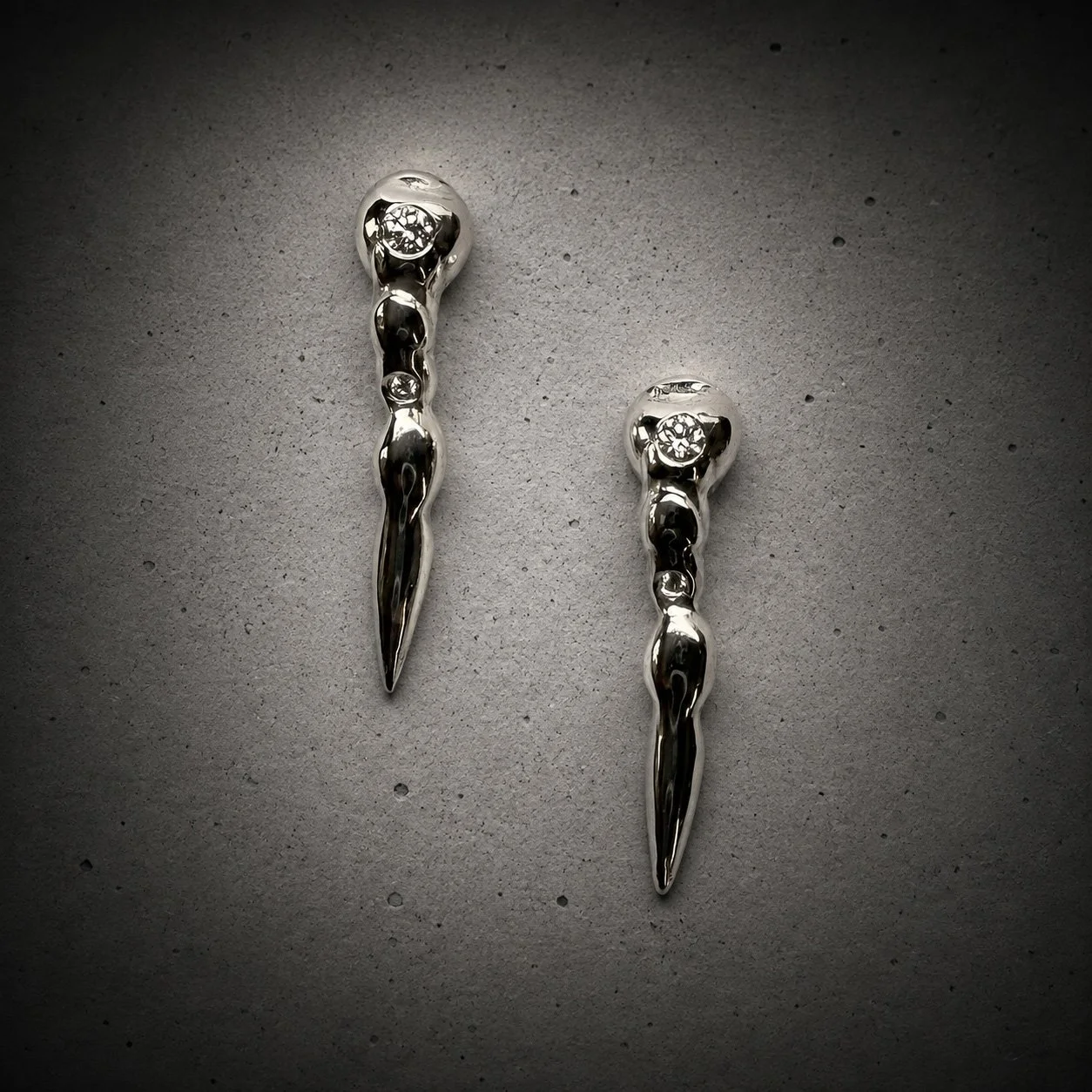
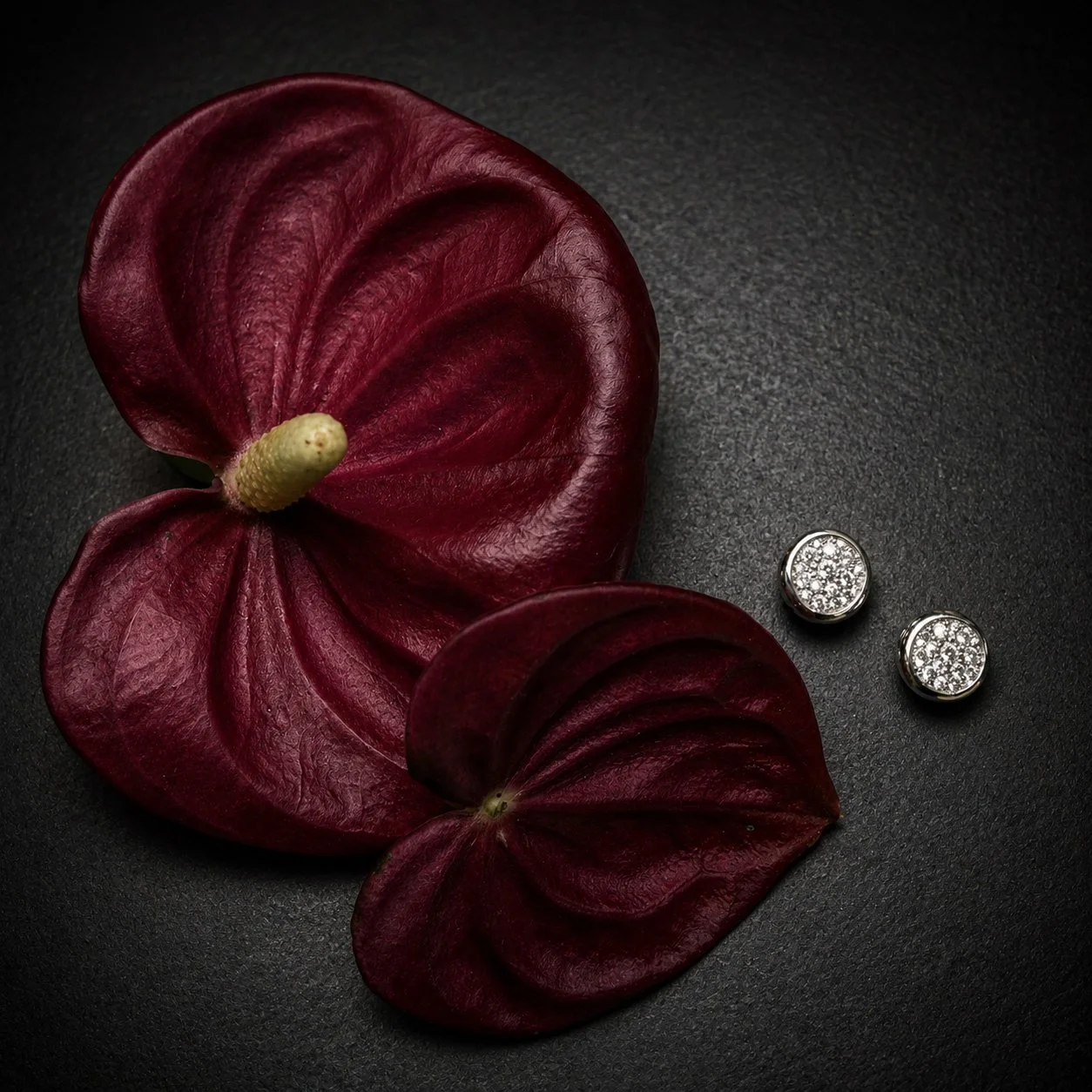
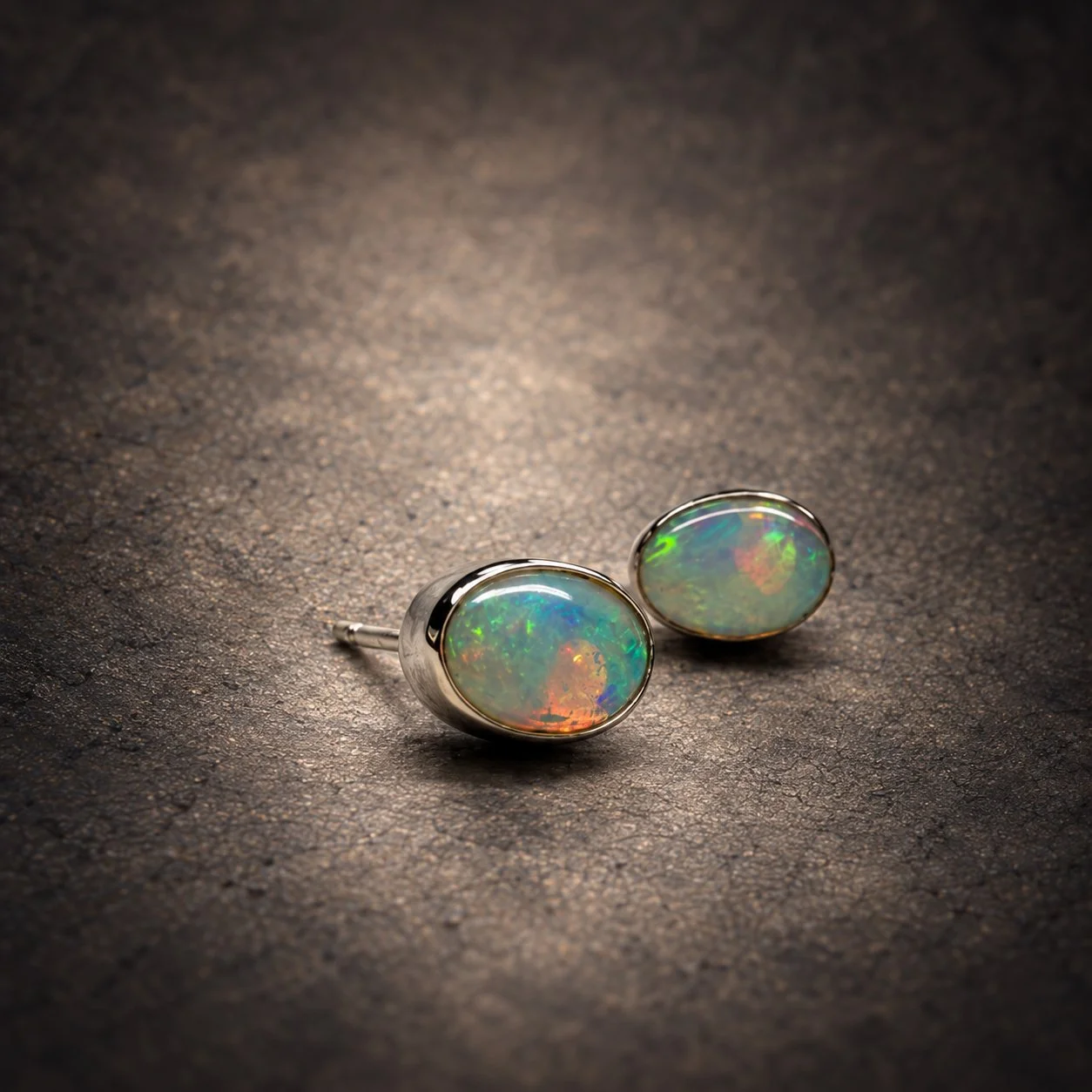
A collection of individually handcrafted jewellery, inspired by nature, form and the beauty of small details. Each piece has its own character, thoughtfully created in precious metals and gemstones in my Devon workshop.
Whether chosen as a gift or simply because something catches your eye, these pieces are made to be treasured and ready to find their new home.
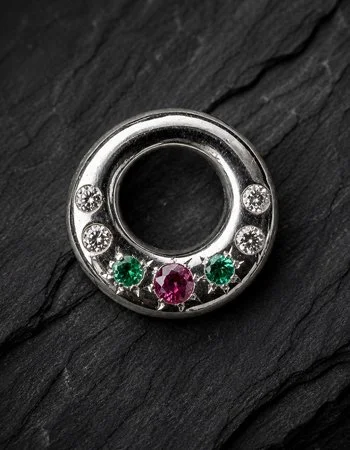
Wildings pendant
Feel free to send me a message